In Thai Traditional Medicine, menstruation is considered an important reflection of a woman’s overall health. Blood and wind circulation are closely connected, and a healthy menstrual cycle is regarded as an important part of maintaining balance within the body.
When menstrual blood does not flow properly, it is traditionally understood as blood stagnation, which affects the balance of blood and wind circulation. Lifestyle habits, diet, and physical injuries are also considered factors that may contribute to blood stagnation in the reproductive organs.
What to Avoid During Menstruation
Although these traditional practices were once widely understood and followed, many women today are unfamiliar with traditional guidelines for caring for their bodies during menstruation.
One important recommendation in Thai Traditional Medicine is to avoid excessive exposure to cold and cooling substances during menstruation. This includes both cold foods and drinks, such as iced coffee, chilled beverages, and smoothies, as well as foods traditionally considered to have cooling properties, such as watermelon, cucumber, and coconut water, even when consumed at room temperature.
Warmth and good circulation are traditionally considered important for helping the body release menstrual blood. For this reason, excessive exposure to cold, including cold showers and cold baths, is generally discouraged during menstruation.
On the other hand, excessively spicy or heating foods should also be avoided. In traditional theory, too much internal heat may dry out menstrual blood and contribute to irregular or missed periods.
Other factors traditionally associated with menstrual irregularities include excessive sexual activity, intense emotional stress or anger, over-exercising, and hereditary influences.
Understanding Your Menstrual Blood
In Thai Traditional Medicine, healthy menstrual blood is generally expected to be red, with a relatively smooth flow and without excessive darkness, thickness, or clots.
Dark menstrual blood and blood clots are traditionally interpreted as signs of blood stagnation. Menstrual cramps are considered a sign that the uterus is working harder to expel stagnant menstrual blood.
However, menstrual pain and changes in menstrual blood can have several underlying causes. Persistent or severe menstrual pain, unusually heavy bleeding, or significant changes in your cycle should be medically assessed. These symptoms may also be associated with conditions such as endometriosis, adenomyosis, or uterine fibroids.

Postpartum Recovery: The Importance of Restoring Balance
After childbirth, Thai Traditional Medicine places great importance on postpartum recovery, a traditional practice known as Yuu Fai. This approach involves warmth, herbal treatments, massage, and dietary care to support a mother’s physical and emotional recovery.
The traditional aims of postpartum care are to encourage blood and wind circulation, support the body’s natural clearance of lochia (postpartum discharge), promote uterine recovery, and help the mother regain her strength after pregnancy and childbirth.
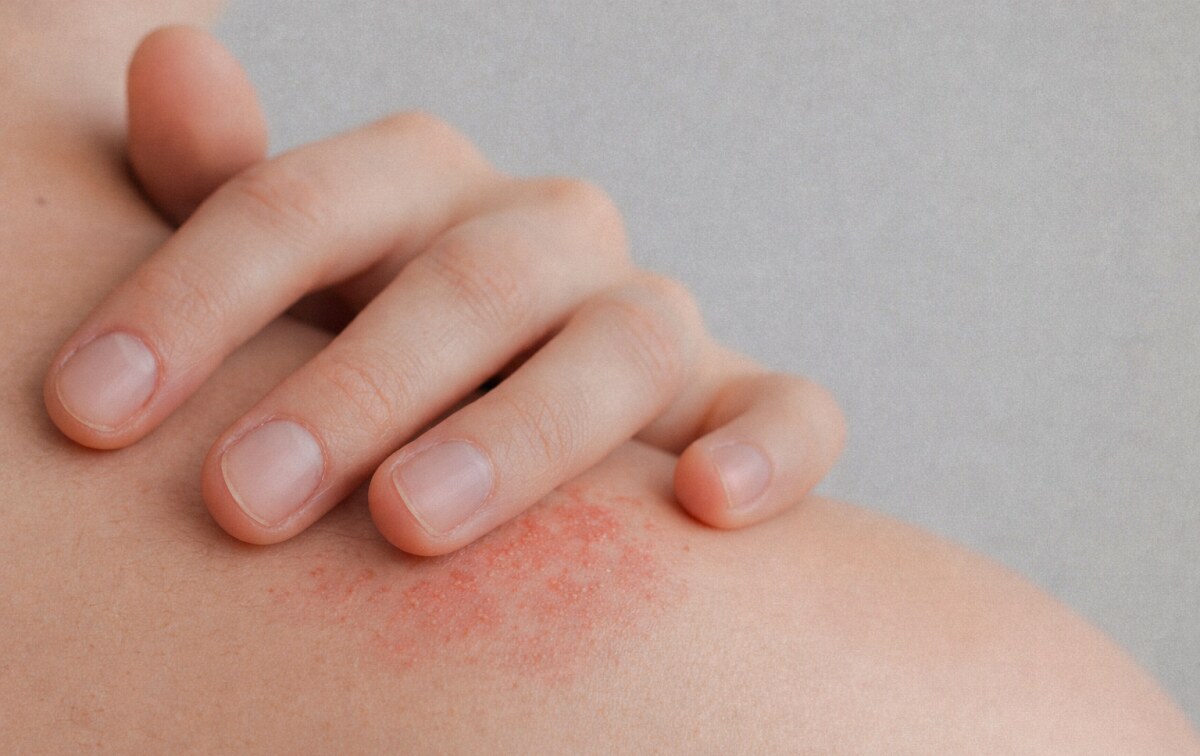
According to traditional Thai medical theory, insufficient postpartum recovery may leave blood and wind circulation out of balance. Symptoms may include unexplained skin rashes, sensitivity to temperature changes, chills, excessive sweating of the hands and feet, sensitivity to certain smells or foods, and unusual mood changes. However, these symptoms are not specific to postpartum recovery and may have other medical causes.
Uterine Prolapse and Pelvic Health
Another important aspect of women’s health is uterine prolapse. This occurs when the uterus descends from its normal position towards and into the vaginal canal due to weakening of the pelvic floor muscles and supporting tissues.
Uterine prolapse may develop after vaginal childbirth and can also be associated with ageing, menopause, repeated heavy lifting, and prolonged increases in abdominal pressure.
Some women experience a feeling of heaviness or pressure in the pelvic area, a sensation that something is descending or bulging from the vagina, or urinary symptoms such as frequent urination. Weak pelvic floor muscles can contribute to these problems and may also affect bladder control.
Thai Herbal Medicine for Women’s Health
Thai Traditional Medicine offers a range of herbal formulations traditionally used to support different aspects of women’s health.
For example, when addressing blood stagnation and menstrual cramps, certain herbal formulations are traditionally used to support circulation, help clear stagnant blood, stimulate the fire element, and nourish the blood.
However, treatment should depend on the individual’s underlying condition. If a woman has a blood deficiency, nourishing and rebuilding the blood should come first, before using formulations intended to clear stagnation. The body needs sufficient strength and nourishment before undergoing a cleansing approach.
For women experiencing menopausal symptoms, such as hot flashes, vaginal dryness, and mood changes associated with declining reproductive hormone levels, Thai herbal medicines may be used as an alternative to conventional pharmaceutical treatments.
Traditional herbal formulations are also used to support women with uterine prolapse and conditions such as ovarian cysts and uterine fibroids. These approaches may be considered as alternative and complementary care alongside appropriate medical assessment and treatment.
Understanding your body and caring for it through each stage of life is an important part of maintaining women’s health. Thai Traditional Medicine takes a holistic approach, considering not only physical symptoms but also blood and wind circulation, diet, lifestyle, emotional well-being, and the body’s overall balance.