In today’s world, we are constantly exposed to new trends about what we should eat. These ideas come and go, always changing. What is considered healthy at one time may later be seen as harmful, and vice versa. In truth, many of these ideas are not entirely wrong—but they often miss one important point: our bodies are always changing, and so are our needs.
In the past, people were often more in tune with their bodies. Their diets were simpler and less influenced by processed or artificial foods. Today, many foods contain high amounts of fat, sugar, salt, MSG, and artificial flavors, which can make it more difficult for us to listen to our natural instincts.
General advice, such as eating a variety of seasonal fruits and vegetables, is helpful. However, even with a healthy diet, the body and mind can still fall out of balance.
When imbalance arises, we can often feel it within ourselves. Food can then be used as a gentle and effective tool to prevent further imbalance and restore harmony. The question is: what does your body truly need at this moment?
The body is always in a state of change. Choosing the right food for your current condition is a subtle balancing act. It requires awareness and an understanding of how different states feel in both the body and the mind.
Thai Traditional Medicine offers guidance through the concept of Tri-Dhatu, using the natural law of opposites and similarities to restore balance through food.
What is Tri-Dhatu?
Tri-Dhatu refers to the three essential systems that sustain life. These systems work together to create, store, and provide energy, support movement and connection within the body, and maintain hydration and lubrication of tissues. For true health, they must remain in harmony, preserving the natural constitution of each individual.
Pitta
Pitta is the system responsible for digestion, metabolism, body heat, and intellectual clarity. It is associated with the elements of Fire (Techo) and Water (Apo), and its qualities are hot, light, and sharp.
When Pitta is balanced, the body feels comfortably warm, digestion works well, and the mind is clear with good memory. The skin looks firm, healthy, and radiant. When Pitta is excessive, the body becomes overheated, which may lead to fever. There can be irritability, restlessness, or agitation. Skin problems such as rashes or hives may appear, and the skin may feel dry or rough, with a stronger body odor. A person may feel impatient, show signs of faster aging, and have some lymphatic congestion. When Pitta is deficient, the body tends to feel cold, the mind may feel unclear, and speech can become slower. A person may feel cold easily, have low energy and motivation, and experience weak or slow digestion.
Vata
Vata is the system that controls movement in the body and its organs. It governs the nervous system, respiration, blood circulation, vital energy (Prana), the mind, and the five senses. Vata possesses the nature of Wind (Vayo) and Space (Akasa). Its characteristics are dry, light, cold, sharp, and rough.
When Vata is normal, movement in the body is proper and balanced, and blood flow, internal wind, muscles, the nervous system, and breathing function as they should. When Vata is excessive, movement becomes irregular and disturbed. This may lead to high blood pressure, irregular heartbeat, dizziness, blurred vision, and a rapid pulse. There may also be joint pain or looseness in the joints, along with a short attention span, low mood, fatigue, and difficulty sleeping. When Vata is deficient, movement becomes weak and reduced, which can result in low blood pressure, stiff knee joints, blackouts, and a slow pulse. Digestion may become poor, with symptoms such as nausea and bloating.

Semha
Semha is the system that controls moisture and lubrication in the body and binds its structures together. It possesses the nature of Earth (Pathavi) and Water (Apo). Its characteristics are cold, damp, heavy, fine, soft, and oily.
When Semha is normal, appetite and taste perception are good, and the body can digest solid foods well. The skin remains moist, and the joints are properly lubricated and function smoothly. When Semha is excessive, there is an accumulation of moisture and mucus, which may present as excessive saliva, phlegm in the throat, a runny nose, asthma, or respiratory allergies. There may also be mucus in the stool or mucus-filled diarrhea, body swelling (edema), and weight gain. A person may feel slow, sleepy, or lethargic, with a tendency toward low mood or conditions such as diabetes. When Semha is deficient, there is a lack of moisture and lubrication, which can lead to a dry throat or difficulty swallowing, difficulty breathing, and hard stools. The body may become underweight, with dry, rough skin, a burning sensation, and loose joints with reduced suppleness, along with increased thirst.
Using Taste to Restore Balance
When the body falls out of balance, food can be used as a gentle way to guide it back into harmony. One of the key principles in Thai Traditional Medicine is understanding how different tastes and food qualities affect the body.
Each taste has a specific action on the Tri-Dhatu. By choosing the right taste at the right time, we can help restore balance naturally.
Salty Taste
Increases Semha in small amounts and increases Pitta in large amounts; decreases Vata. Salty foods in small amounts stimulate excretion, cleanse the body, nourish the Fire element, and improve appetite. However, excessive salt is dehydrating and increases Pitta. In modern diets, while it is essential, salt is often overused, and too much sodium may affect kidney function.
Spicy Taste
Increases Pitta and Vata; decreases Semha. Spicy foods help nourish the Fire element and digestion, assist in clearing stagnant wind, and promote sweating.
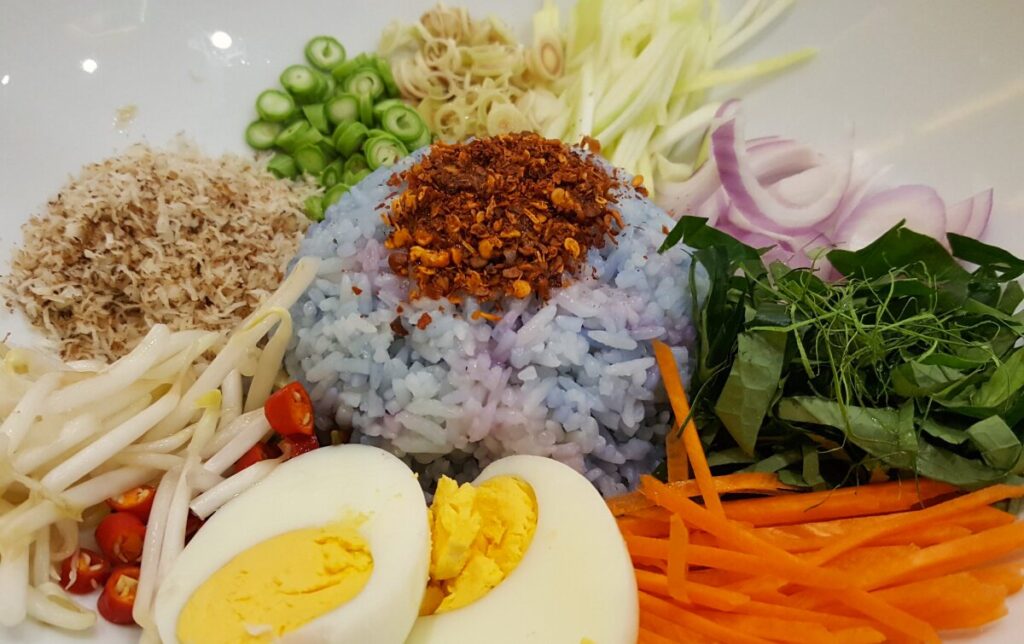
Bitter Taste
Increases Vata; decreases Semha and Pitta. Bitter foods help reduce heat and fever and support detoxification. Some bitter foods, such as bitter gourd, can also nourish bile and gently support digestion, thereby slightly increasing Pitta.
Astringent Taste
Increases Vata; decreases Semha and Pitta. Astringent foods help tighten tissues, support wound healing, and stop diarrhea. They have a drying and contracting effect on the body.
Sweet Taste
Increases Semha; decreases Vata and Pitta. Sweet foods nourish the body, support the heart, relieve fatigue and thirst, and increase moisture.
Sour Taste
Increases Semha in the short term, but increases Pitta with long-term use; decreases Vata. Sour foods draw moisture from nearby areas, temporarily increasing moisture and stimulating excretion. However, over time, they can dry the area and increase heat.
Rich and Oily Foods
Increase Pitta and Vata; decrease Semha. These foods help nourish tendons, relieve body aches, and provide warmth.
Fragrant Foods
Reduce Pitta and Vata; increase Semha. Fragrant foods and herbs help nourish the heart, liver, and lungs. They can relieve fatigue, reduce thirst, and gently cool the body.
Nauseating Taste
Reduces Pitta and Vata; increases Semha. This category includes certain medicinal foods that can counteract toxins and help eliminate parasites, and they are typically used in specific therapeutic contexts.
Bland Taste
Reduces Pitta and Vata; increases Semha. Bland foods, often high in water content, help cool the body, reduce fever, relieve pain, and act as natural diuretics.
How does it work?
In daily life, imbalance often shows up in simple, familiar ways. When we learn to recognize these signs, we can gently adjust our food choices to help bring the body back into balance. No single taste is inherently “good” or “bad”—each has its role. However, when used in excess, even beneficial foods can disturb the body’s natural balance.
Below are some common situations and how food can help.
Feeling heavy, sleepy, slow, or lethargic (excess Semha): eat more spicy and bitter foods, and reduce sweet, salty, and sour foods.
Feeling hot, irritated, or inflamed (excess Pitta): eat more bland, fragrant, and mildly sweet foods, and reduce spicy, oily, and very salty foods.
Feeling dry, anxious, or unstable (excess Vata): eat more mildly sweet, salty, and sour foods, and reduce bitter, astringent, and spicy foods.
You don’t need strict rules—it’s about listening to your body. Each day is different, and food can support your daily balance. Too much of any taste can create imbalance, so it’s important not to overuse one. Keep in mind that you may have more than one imbalance at the same time, and not all foods within the same taste act the same, but these guidelines offer a gentle way to guide your choices.